My Freemasonry | Freemason Information and Discussion Forum

Register a free account today to become a member! Once signed in, you'll be able to participate on this site by adding your own topics and posts, as well as connect with other members through your own private inbox!

Strange inscription in a portuguese church

Simão Agostinho

Registered User
Dear members,

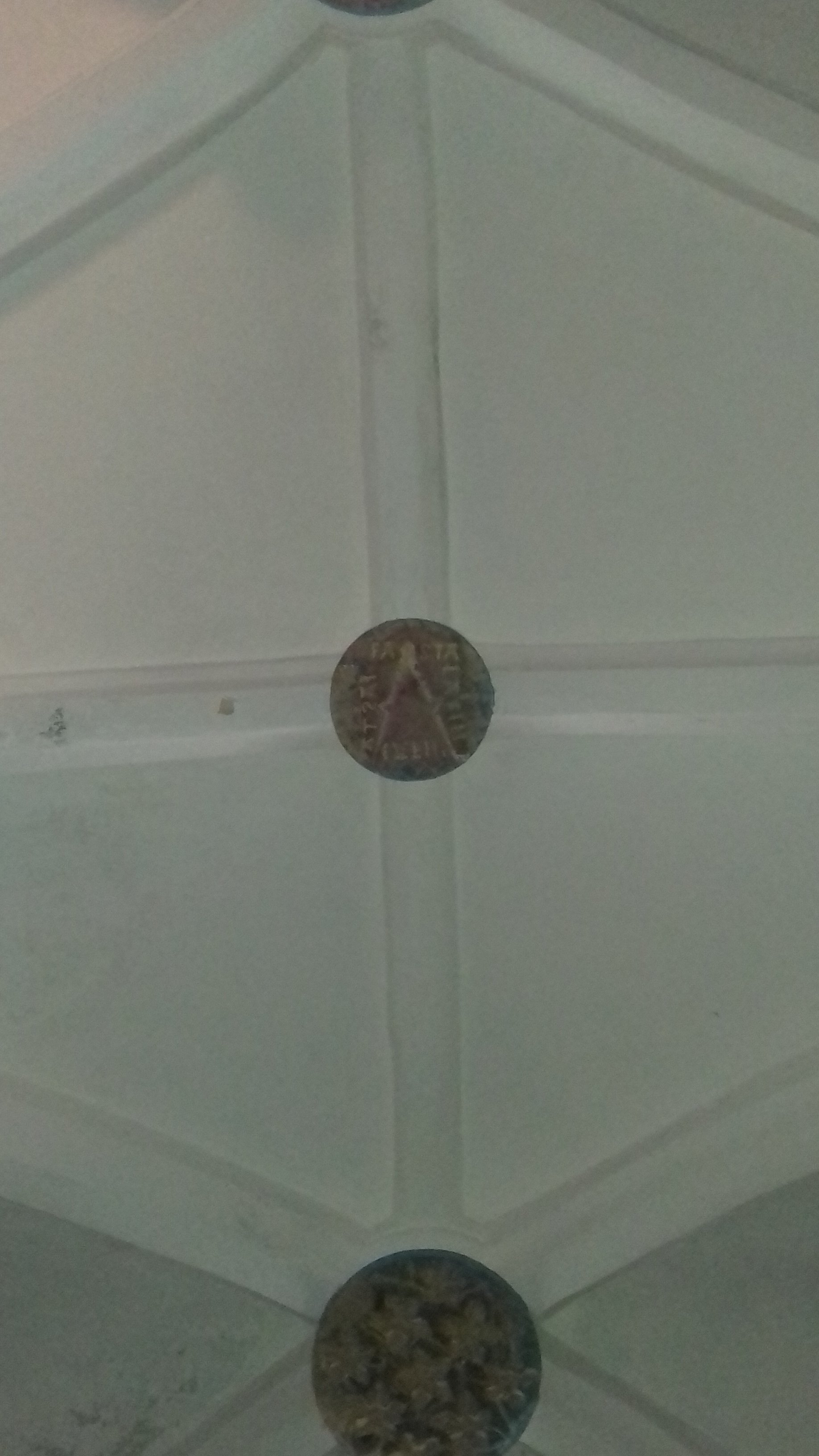
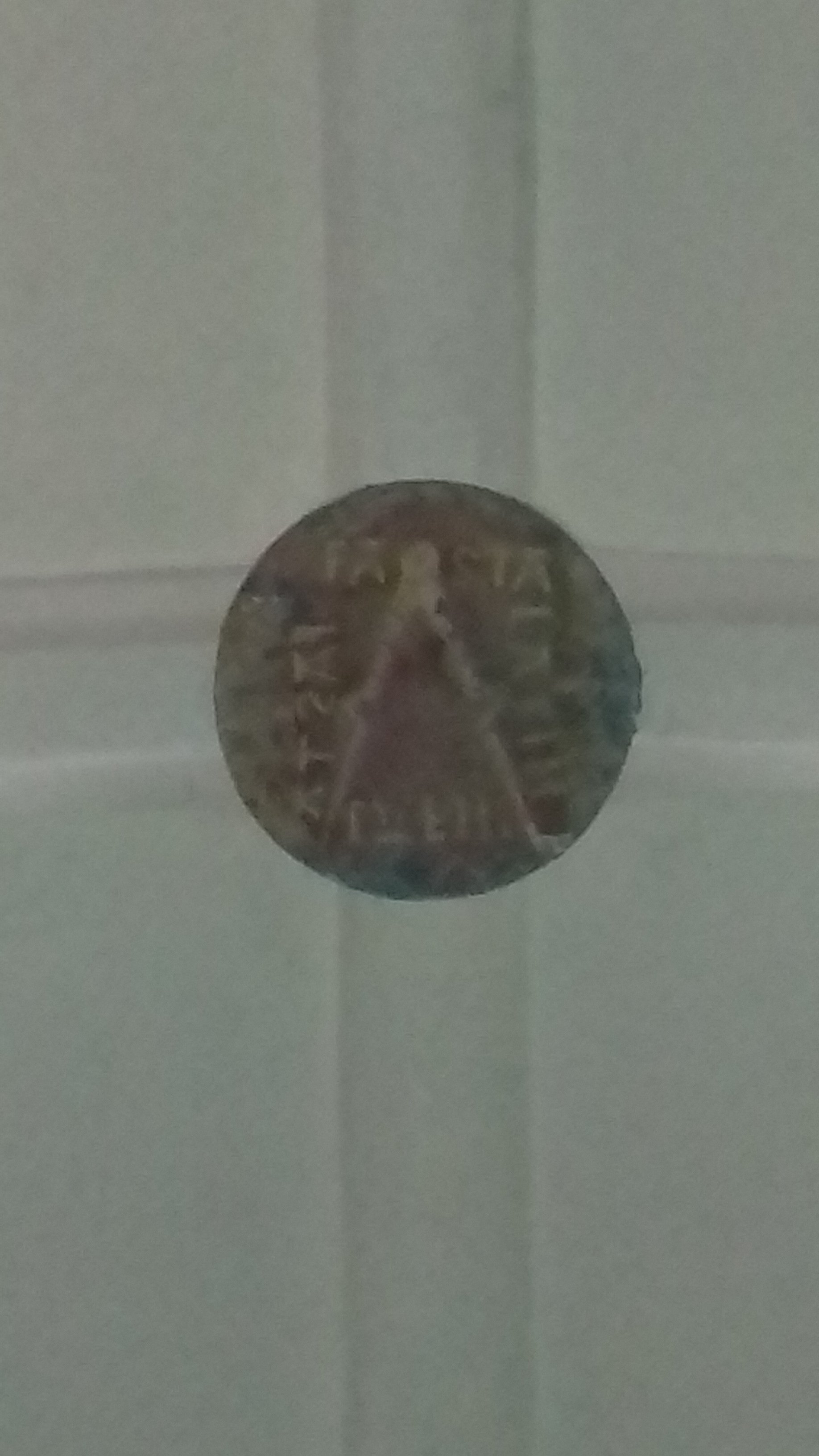
I've found this symbol in a lateral chapel of a portuguese church, with a masonic compass and this strange (to me) words: FASTA LAFIM. It looks "fasta lafim" but I'm not sure. It was a bit dark there. Unfortunately, and also for that reason, the photo is not very good, but I think you can see the words - also written backwards - and can confirm this is a masonic symbol.

Can someone please help with this? I don't know what the words means.

Thank you.
20170828_170647.jpg
20170828_170626.jpg
 

Brother_Steve

Premium Member
Fasta is "Not Forbidden" in Latin. Lafim sounds like Family but there is no Latin translation nor is there a Portuguese one.

What is the age of the church? Portugal was one of the last holdouts for the Knights Templar and they were known as the Order of Christ.

I cannot without a doubt say that the translation is accurate. It is just speculation.

The second half of my above reply is fact.

You can make out the edges of the square protruding outside the compasses yet the interior is hidden. The church is in portugal, the last hold outs of the KT. A possible translation that reads, "Family not forbidden." Queue X-Files music.

Unless of course, Lafim is really Latin which means "Latin not forbidden." In which case, I'm lost as to what the compasses and partially hidden square means.

Latin speaking stone masons not forbidden here?
 
Last edited:

Simão Agostinho

Registered User
This church is very old. It was built by Santiago's Order and suffered many changes along time. It's now the Saint Lawrence church.

This particular lateral chapel (Saint Sebastian chapel) was made by a family of a portuguese warrior of de XV century. There is his and his father and mother tombs. But the symbol could be more recent.
 

Simão Agostinho

Registered User
Fasta is "Not Forbidden" in Latin. Lafim sounds like Family but there is no Latin translation nor is there a Portuguese one.

What is the age of the church? Portugal was one of the last holdouts for the Knights Templar and they were known as the Order of Christ.

I cannot without a doubt say that the translation is accurate. It is just speculation.

The second half of my above reply is fact.

You can make out the edges of the square protruding outside the compasses yet the interior is hidden. The church is in portugal, the last hold outs of the KT. A possible translation that reads, "Family not forbidden." Queue X-Files music.

Unless of course, Lafim is really Latin which means "Latin not forbidden." In which case, I'm lost as to what the compasses and partially hidden square means.

Latin speaking stone masons not forbidden here?

I think "fasta" is from latin "fastus, us", that in english means "vanity" or "pride". In a burial place can make sense. "Fasta La Fim" meaning something like "The end of prides".
 

Keith C

Registered User
I have to ask, did you ask anyone at the church? Typically the congregation will have someone charged with keeping up the history of the church building and congregation. Several churches I have been a member of had documents explaining the scenes and meaning of all the stained glass, the symbols such as this, one even had a wall built of rocks from holy places around the world that described each rock, where it came from and it's significance. If you didn't ask anyone there, I would reach out the the church secretary and have them direct you to who might keep track of such things.
 

Simão Agostinho

Registered User
I have to ask, did you ask anyone at the church? Typically the congregation will have someone charged with keeping up the history of the church building and congregation. Several churches I have been a member of had documents explaining the scenes and meaning of all the stained glass, the symbols such as this, one even had a wall built of rocks from holy places around the world that described each rock, where it came from and it's significance. If you didn't ask anyone there, I would reach out the the church secretary and have them direct you to who might keep track of such things.

I spoke with the priest and he doesn't know what it means.
 

Keith C

Registered User
I spoke with the priest and he doesn't know what it means.

That is not surprising. Clergy change often. If you asked the Pastors of any of the congregations I have been part of, there would be a 50/50 change that they knew the details and a 60/40 chance they had any idea WHO knew. But if you asked the office secretary, THEY knew!

This makes me think of a recent visit to my Grand Lodge building. A Grand Officer commented "People think the Grand Officers run the fraternity, but the truth is Freemasonry is kept running in PA by 4 middle aged women in an office down the hall."
 

Simão Agostinho

Registered User
Dear members,

From my research I found that "fasta la fim" is an old spanish expression that means "until the end". It makes sense in a burial place.

Now, I don't know why the compass... and why the backwards... Something to do with masonry?! I remind you this chapel was built in the XV century.
 

Warrior1256

Site Benefactor
From my research I found that "fasta la fim" is an old spanish expression that means "until the end". It makes sense in a burial place.

Now, I don't know why the compass... and why the backwards... Something to do with masonry?! I remind you this chapel was built in the XV century.
Good info. Thanks Brother.
 
Top